Green Jobs : Featured Stories
Meleah Maynard Wednesday, July 10, 2013
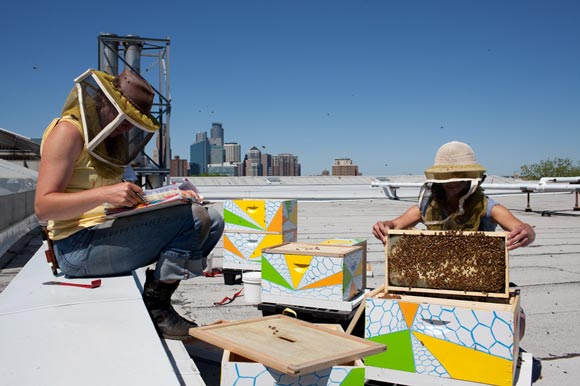
The rooftops of some prestigious locations are buzzing as local institutions hop aboard the global urban beekeeping bandwagon. The idea is to play a role in restoring declining bee populations, with the help of the U of M and some intrepid honey-oriented entrepreneurs.
Elizabeth Millard Wednesday, May 22, 2013
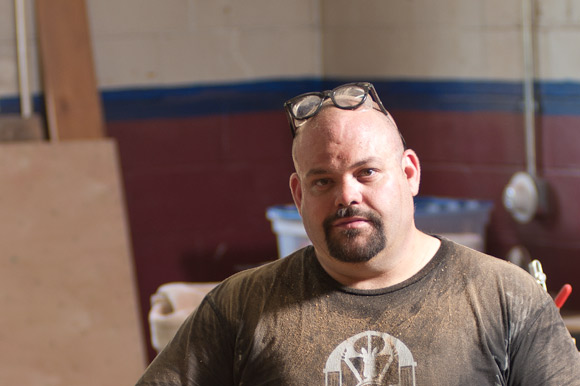
The onetime marketing professional made a career u-turn when he discovered how gardening--and cooking and eating healthy produce right from the soil--could change lives. Now his nonprofit startup helps inner-city newcomers to gardening make healthy foods part of their lives.

Jon Spayde Wednesday, November 14, 2012
In A Line or Two, I share some of my enthusiasms and discoveries as I make my way around the Twin Cities. Call it an editor's note as blog entry. This week: You've got a chance on Monday to peek into the laboratories of advanced bio-researchers at the University of Minnesota, as guests of the U's union of GLBTQ scientists.

Holly Dolezalek Wednesday, November 07, 2012
While the concept of the green job is a nice fusion of much-needed employment growth and environmental responsibility, it's been hard to get a handle on the size and even the definition of this part of the job market. But according to Matt Entenza and other experts, the picture in Minnesota is getting clearer as more jobs fit the category. In fact, this small but growing sector may be the IT of the future.

Julie Kendrick Wednesday, August 08, 2012
With a new school year approaching, we take a look at three unique programs that show how Minnesota has become a "thought leader" in developing--and funding--positive alternatives for youth.
Elizabeth Millard Wednesday, June 20, 2012
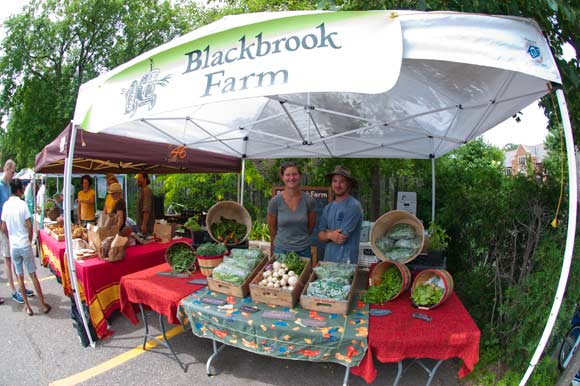
The debut of a new market in Minneapolis' Linden Hills neighborhood underlines the exciting upsides--and a few lesser-known downsides--of the farmers' market boom.
Nancy Crotti Wednesday, April 11, 2012
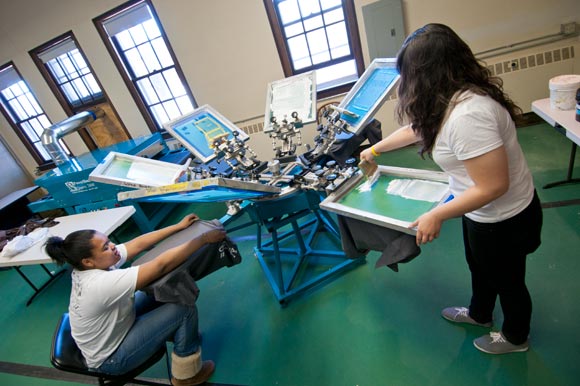
The teeshirts bearing the brand Forgotten are articles of faith as well as articles of clothing. The fledgling company was created to help the Ugandan farmers and cotton spinners who create the shirts and the inner-city Minneapolis teens who screen-print them. Now a major rock tour is set to take Forgotten gear to a new level.
Susan Klemond Wednesday, April 04, 2012
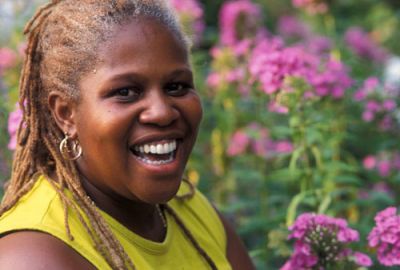
What do you do when the urban garden you've struggled to create gets sold out from under you? At the recent Community Garden Spring Resource Fair, New York gardening advocate Karen Washington told local growers that if they want their gardens to be really sustainable--i.e., permanent--they'd better get savvy about the political system.

Michelle Vigen Wednesday, March 21, 2012
Adapted from Bush Fellow Michelle Vigen's blog, Common Spark: a simple (if not easy) process to help organizations turn the good ideas and information with which we're inundated--why we should recycle, bike, eat better, revive citizenship, you name it--into real changes of habit and life.
Meleah Maynard Wednesday, February 15, 2012
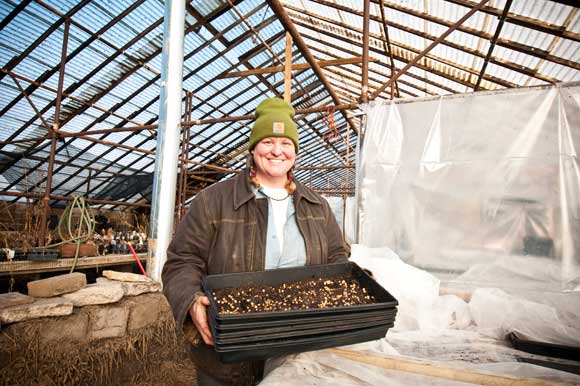
The founders of Grow! Twin Cities are building a place where urban farmers can come, plant, share green wisdom, start businesses, and thrive together. And they're telling success stories.
Jon Spayde Wednesday, August 10, 2011
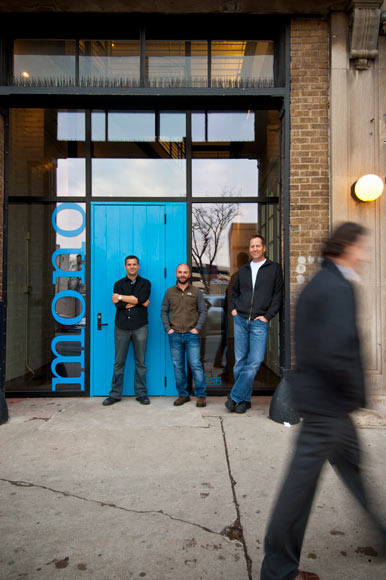
A web site's judgment that Minnesota is "the most hipster state" set me wondering about our homegrown sources of cool. Have we become hip by simply being ourselves?
Meleah Maynard Wednesday, August 10, 2011
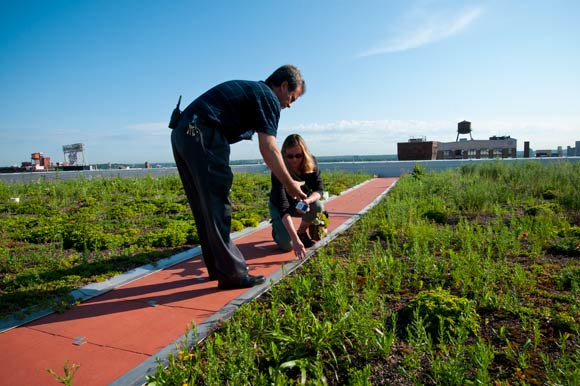
It's been two years since the green roof on downtown Minneapolis' massive auditorium and sports venue was installed. The Line took a tour to see how things are going and growing.
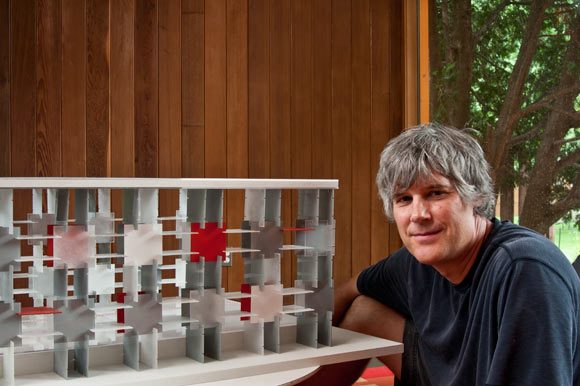
Camille LeFevre Wednesday, July 27, 2011
Inspired by his kids' toy building set, he designed a colorful modular carport that incorporates solar panels--and may soon become nothing but solar panels. Is this how we'll recharge the electric vehicles of the future?
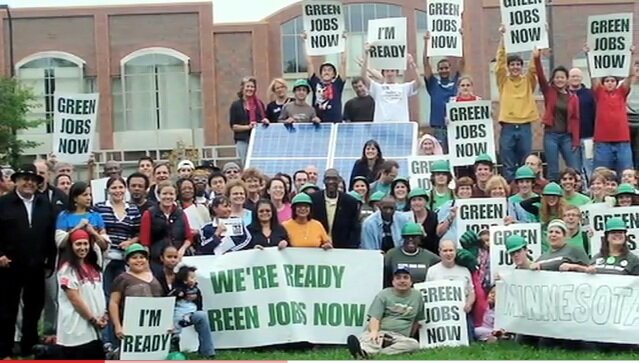
greenforall.org Wednesday, June 15, 2011
"Environmental justice is the new civil rights movement," says a young woman in this video, created by the organization Green for All. The video, posted last month, highlights a number of green jobs efforts in the Twin Cities that marry sustainability and social justice.

Jon Spayde Wednesday, May 11, 2011
LOHAS means "Lifestyles of Health and Sustainability"--people concerned with health, the environment, social justice, and personal growth who buy $290 billion worth of goods and services in support of these ideals. The first regional LOHAS conference kicks off tomorrow at the U of M, for merchants, marketers, and others who want to reach these consumers.
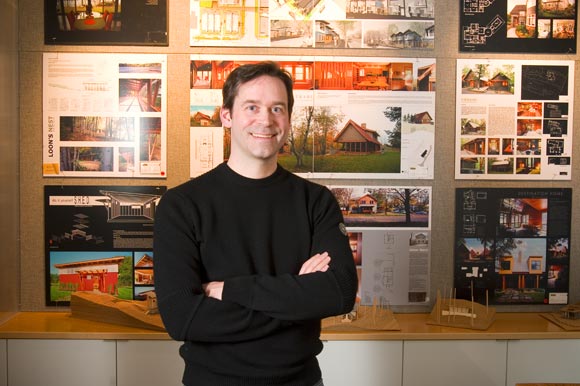
Meleah Maynard Wednesday, March 16, 2011
Another local David--who is also connected to the Pacific Northwest--is an advocate for the role of good design in sustainability. David O'Brien Wagner of Minneapolis' SALA Architects speaks up for the subtle, even spiritual side of green building. Systems and certificates are important, he tells Meleah Maynard, but a building isn't green if it isn't carefully designed to connect the human and the natural worlds.
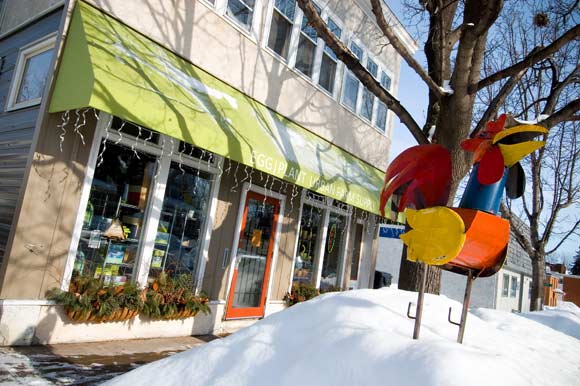
Eizabeth Millard Wednesday, January 26, 2011
Working in a garden center, Audrey Matson noticed something: customers were bypassing the ornamental trees and shrubs and going for vegetable-garden, canning, and composting supplies. A combination of recession, environmental awareness, fears about food safety, and desire to learn hallowed hands-on homemaking skills was creating a generation of neo-agriculturalists--most of whom were savvy young urbanites. So despite the economic downturn, the time was right for a farm store in the city--one that specializes in out-of-the-way and hard-to-find supplies.

Dale Connelly Wednesday, January 19, 2011
Our Resident Tourist takes a tour of a boxcar-shaped building on the Minneapolis riverfront where, even in winter, scientists use inflowing water from the Mississippi to model all kinds of interactions between land and water. Scientific esoterica? Not really. The scientists at the Saint Anthony Falls Laboratory want to help Louisiana rebuild its delta. They want to understand the algae blooms that create fish-killing "dead zones" in the Gulf of Mexico. And with new federal support, they're turning their expertise toward the study of wind power, biofuels, and "hydrokinetics"--nothing less than the discovery of "new ways to power our civilization."

Camille LeFevre Wednesday, January 05, 2011
While many of us do our best to retrofit our houses to be more sustainable--adding insulation, putting in low-flow toilets, installing a solar panel on the roof--some Twin Cities architects and designers are going all-the-way green with rehabs and new house designs that are radically--and even experimentally--devoted to environmental responsibility. Two of the most prominent locally are the EcoDEEP Haus in Saint Paul, an environmentally concerned architect's refitting of his own house, and the University of Minnesota's ICON Solar House, the result of the input of some 150 design students. And these sensible, responsible houses also happen to be way cool to look at and live in.
Elizabeth Millard Wednesday, December 08, 2010
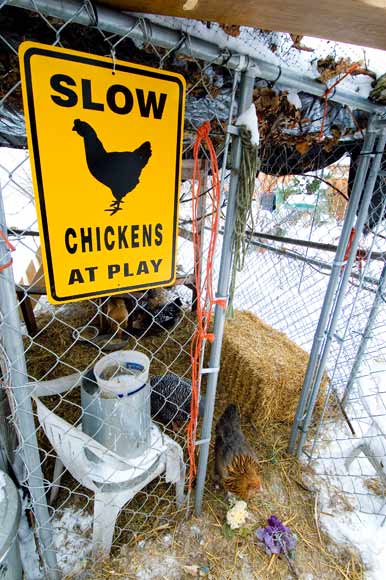
There's a whole lot of clucking going on in the urban neighborhoods of Minneapolis and Saint Paul as heartland city-dwellers recover their rural roots by welcoming chickens into their lives. It's part of a growing national trend that's part nostalgia, part fascination with the birds themselves--they turn out to be oddly charming--and part hardy self-sufficiency. And you should taste the eggs.
Karen Olson Wednesday, November 17, 2010
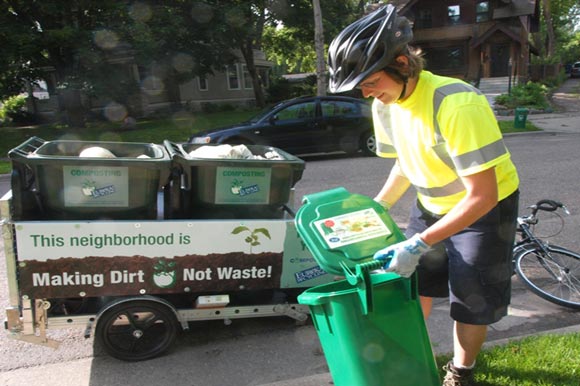
If you live in one of the cities and towns Eureka Recycling serves, chances are you've seen its big green trucks lumbering along, picking up waste. But if you think Eureka is just another green-bottles here, brown-bottles there outfit, you're in for a surprise. It's one of only a handful of nonprofit recyclers in the country, and its vision goes way beyond recycling to a world that doesn't produce waste in the first place. To that end, it collaborates with artists and restaurateurs, encourages manufacturers to think zero-waste, and in many other ways acts as if the green future has already arrived.
Molly Priesmeyer Wednesday, November 10, 2010
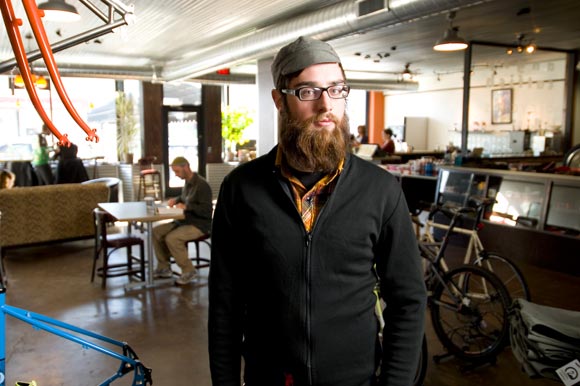
The Twin Cities' newest bike cafe, Angry Catfish Bicycles and Coffee, joins two predecessors, One on One Bicycle Studio and Cars R Coffins Coffee Bar/Cykel Garage in catering to the caffeination needs, and gear lust, of serious bike riders. These coffee house/bike shop/art gallery hybrids are celebrations of two-wheel culture in a town that's getting prouder and prouder of it.
Chris Steller Wednesday, November 10, 2010
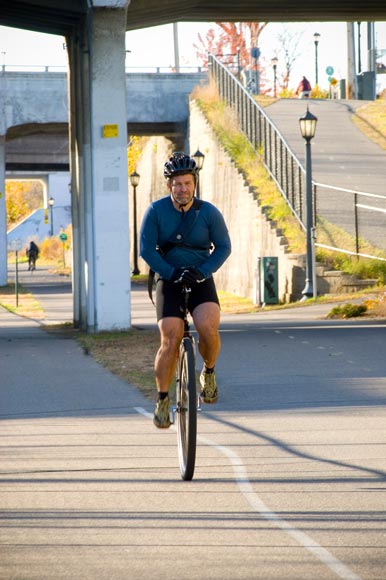
Sure, bikes are big in the Twin Cities--but the people who ride one-wheelers here may be even more intense, if that's possible. In fact, our towns are a world center of unicycling; all twelve of the unicyclists rated highest for riding skills--the black belts of the sport--have belonged at one time or another to the Twin Cities Unicycling Club. And just in case you think it's all about trick riding in parades or at the circus, meet the folks who ride fat-wheeled 36-inch unicycles to work--in winter.

Dan Heilman Wednesday, October 20, 2010
Can you really ditch your ride and live carless in the Cities? A youth worker and a cartoonist who have been without everyday internal combustion for years say yes--as long as you're willing to do a little planning and take advantage of all the transit options in town. Pluses include: closeness to nature, awareness of others, improved relationships--and a body that tells people you don't spend half your life in a driver's seat.

Holly Dolezalek Wednesday, September 22, 2010
There's a lot of excitement about "green jobs" and their potential to put America back to work. But defining what a green job actually is can be difficult, say some clued-in researchers in the state Department of Employment and Economic Development whose efforts have helped put Minnesota is in the forefront of the infant science of green-labor-market studies. A few real-world trends: there are many shades of green in the job market, the total number of certifiably green jobs in the state isn't large yet, and yet the potential for green-job growth is real.

Dan Haugen Wednesday, July 28, 2010
There's a pair of European-born marketers who, from a table in a literary coffee shop in Minneapolis, turn the earth itself into an ad platform. Dutchman Maikel van de Mortel and Icelander Bjorgvin Saevarsson stamp logos into snowbanks, draw slogans in dirt and dust, and plant flower gardens that spell out client identities. The Internet loves it, and so do the duo's mostly European and coastal-US clients. Is this the earthy new face of advertising?
Dan Haugen Wednesday, June 23, 2010
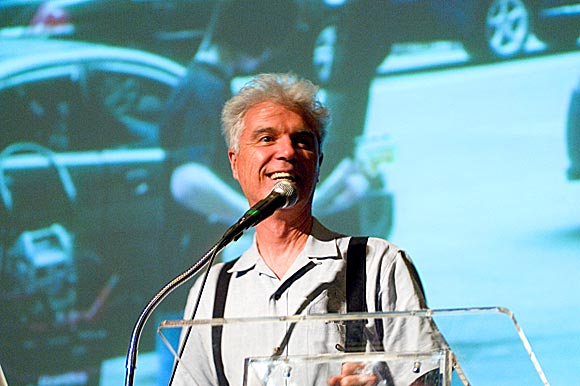
David Byrne has seen a lot of the world as a touring mega-rocker--much of it from from the seat of a bicycle. Last Thursday he joined three notable Twin Cities bike advocates--Mayor R. T. Rybak, author and journalist Jay Walljasper, and walkability/bikeability expert Steve Clark--at the Uptown Theater for a celebration/exploration that looked at the future of urban pedal culture in the Twin Cities and the world. Hint: it's about a lot more than bike lanes.

Meleah Maynard Wednesday, June 16, 2010
Our techno-skeptical writer (and master gardener) Meleah Maynard showed up at a gathering of Twitter- and Facebook-friendly farmers and garden folk--last month's Social Media Breakfast at the State Fairgrounds. The scene was a little strange (half the audience was tweeting or texting during the presentations) but Meleah found herself warming up to the new ways Minnesotans are using the social web to get the word out about healthy food.

Karen Olson Wednesday, June 09, 2010
Dan Noyes was a veteran teacher of architecture and design who wanted to create something new: a small, hyper-hands-on school of "ecological architecture" where the goal wouldn't be simply to turn out well-trained designers, but to nurture visionary poets of space-making whose work would foster a connection with the earth. When Noyes discovered that a century-old telephone exchange building in Northeast Minneapolis needed a basement tenant, one of the nation's smallest--and most innovative--graduate schools was born.