Transit Oriented Development : Featured Stories
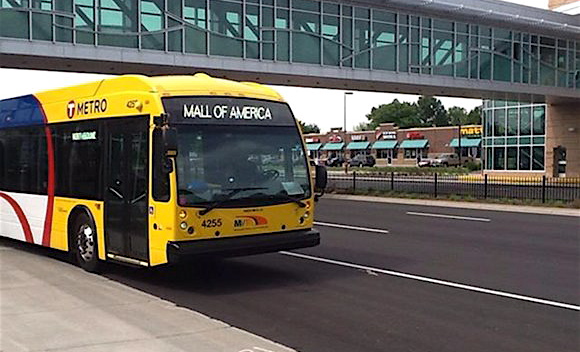
Jon Spayde Wednesday, June 26, 2013
With Bus Rapid Transit (BRT) a possible future option for areas of Minneapolis and Saint Paul where light rail isn't feasible, I decided to take ride on Apple Valley's newly opened BRT route (the Red Line) to check it out. And why not? I'd already checked into a suburban hotel after the power went out at home.
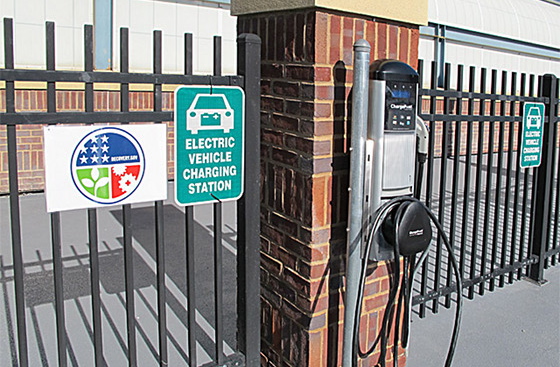
Anna Pratt Wednesday, June 05, 2013
Charging stations for electric cars are popping up here and there in Minneapolis and Saint Paul. In fact, the Minnesota Pollution Control Agency is working to install up to 76 electric car-charging stations throughout the metro area, adding to an already expanding network. Here's our guide (a work in progress) to our towns' car-charging infrastructure.

Jon Spayde Wednesday, May 01, 2013
The nonprofit Springboard for the Arts used to concentrate solely on career development for artists. Now, under the leadership of Laura Zabel, it's become a powerful force in redefining the whole relationship between artists and the communities they live in--and in marshaling artistic creativity to improve those communities.
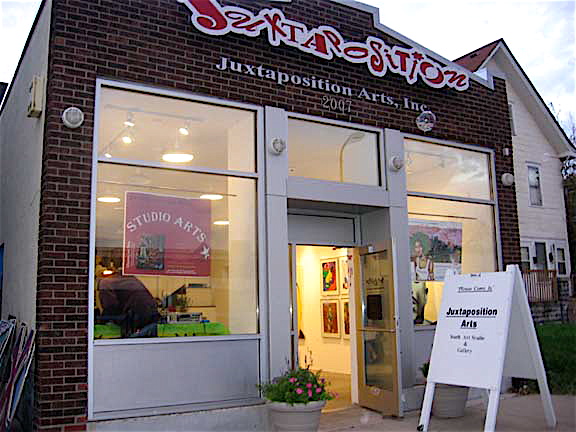
Jay Walljasper Wednesday, April 03, 2013
Art lives in the Twin Cities--and not just in the tonier parts of town. Thanks to initiatives like Twin Cities LISC's Building Sustainable Communities program, art and artists are taking major roles in helping some of our most challenged inner-city communities thrive.
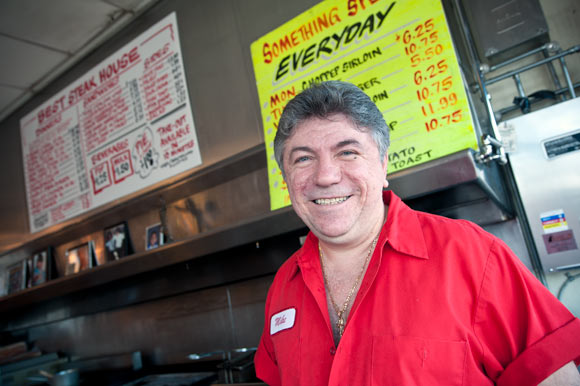
Dan Heilman Wednesday, March 27, 2013
As the building phase of the Central Corridor line finishes up, it's becoming clear that--thankfully--the direst predictions of business disruption didn't materialize. Now enterprises up and down the corridor are getting used to the new normal.
Agata Miszczyk Wednesday, March 06, 2013
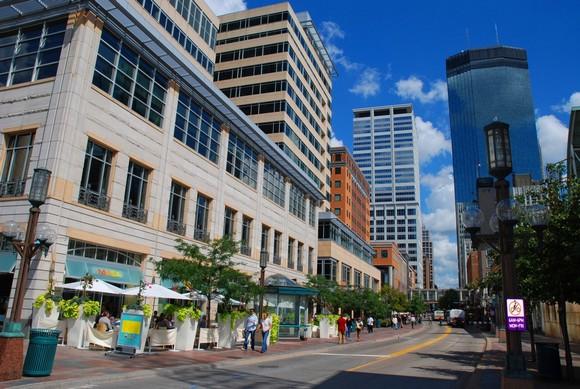
Both St. Paul and Minneapolis have committed themselves to making their downtowns more residential, with major projects to develop the infrastructure a genuine residential neighborhood requires. But, says Minnesota 2020 fellow Agata Miszczyk, an emphasis on rental units and luxury buildings is holding back the vitality that the downtowns need.
Camille LeFevre Wednesday, February 06, 2013
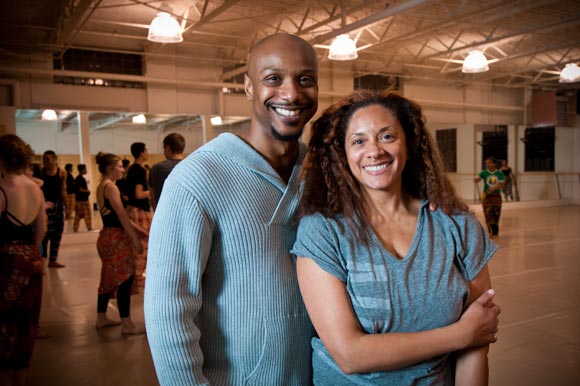
When globetrotting dancers and choreographers Uri Sands and Toni Pierce-Sands, formerly of the Alvin Ailey company, decided to establish a new kind of multicultural dance school in Saint Paul, they knew where they wanted it to be: along the Central Corridor in the heart of the city.
Amber Collett Wednesday, February 06, 2013
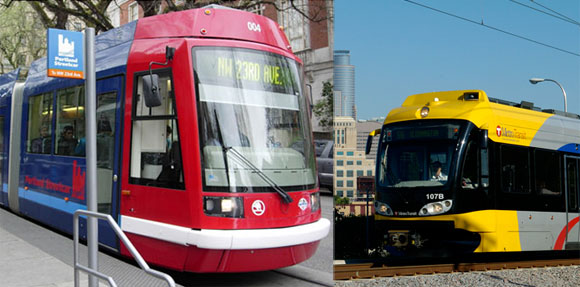
According to Amber Collett, a transit and bike activist (and a former Twin Cities resident), we've got reason to envy Portland's bike-friendly transit system. But Minneapolis actually wins in the comparison. Why? Read on.
Anna Pratt Wednesday, January 30, 2013
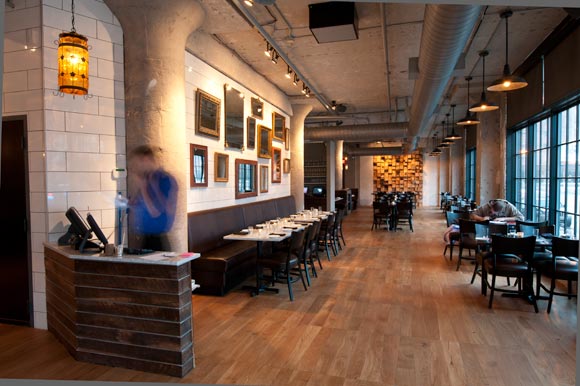
The bars and restaurants in this uber-trendy corner of downtown Minneapolis draw national attention. Meanwhile, developers, community groups, and residents are turning the surrounding neighborhood into a pleasantly dense, lively, and livable urban village.
Conrad DeFiebre Wednesday, January 23, 2013
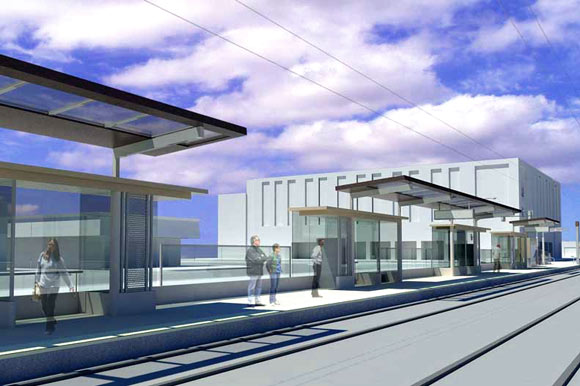
The Central Corridor light rail line (aka the Green Line) won't be finished till 2014, but it's already earning its keep, writes Conrad LeFiebre of MN 2020, as development advances, once-disrupted business stabilizes, and observers add up the unique advantages of a line that connects two downtowns.

Jay Walljasper Wednesday, December 19, 2012
Jay Walljasper checks in with British urbanist Charles Landry, who recaps his experience touring the Twin Cities, meeting a wide array of local urban changemakers, and applying his principles of city vitality to our reality. And Landry draws some conclusions about how our towns can thrive in the coming decades.
Conrad deFiebre Wednesday, November 14, 2012
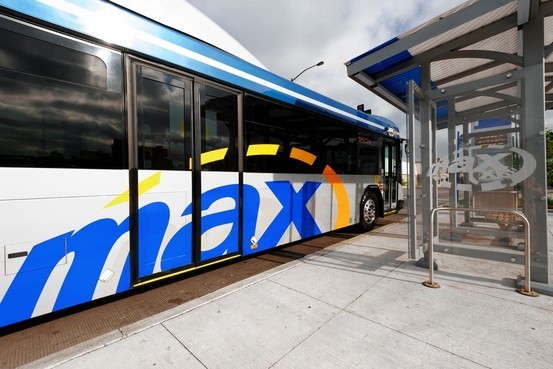
In this blog post from Minnesota 2020, Conrad deFiebre argues that, while light rail is both successful and expanding in the Twin Cities, it's not the only answer to the 21st-century transit question in our metro. Meet the "rapid bus," a transit mode that mimics rail--on rubber tires.

Camille LeFevre Wednesday, September 12, 2012
Far from simply decorating the light-rail route, Saint Paul's Central Corridor Public Art Plan is redefining art in the public sphere.

Jon Spayde Wednesday, August 22, 2012
Saint Paul's music-loving mayor wants a city with a scene--a dynamic downtown with the special energy that only art and music provide. Last Thursday he shared some successes, some hopes, and some rock-concert memories with The Line.
Jon Spayde Wednesday, June 20, 2012
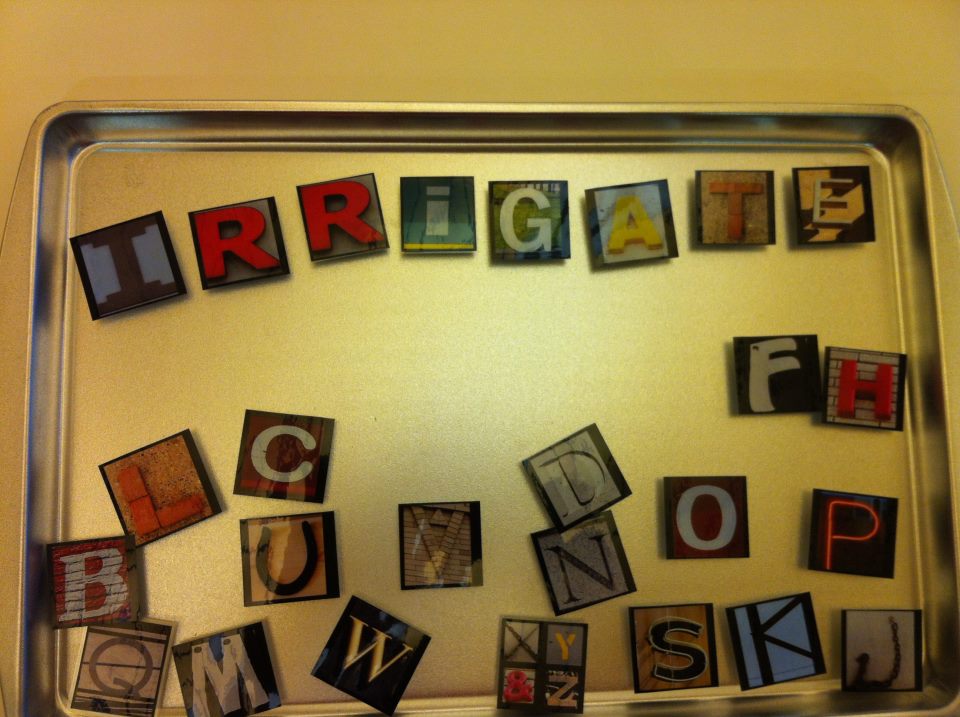
In A Line or Two, I share some of my discoveries and enthusiasms as I make my way around the Twin Cities. Call it an editor's note as blog entry. This week: Get to know Irrigate, our public-spirited and art-fueled Central Corridor placemaking project.
Camille LeFevre Wednesday, May 16, 2012
In town to talk about the Central Corridor, Hennepin Avenue, and other local nodes of city planning, lauded urbanist Charles Landry called for an approach that integrates the cities' diverse cultures into a rich, essentially artistic, mix--and makes everyone feel appreciated and included.
Camille LeFevre Wednesday, March 14, 2012
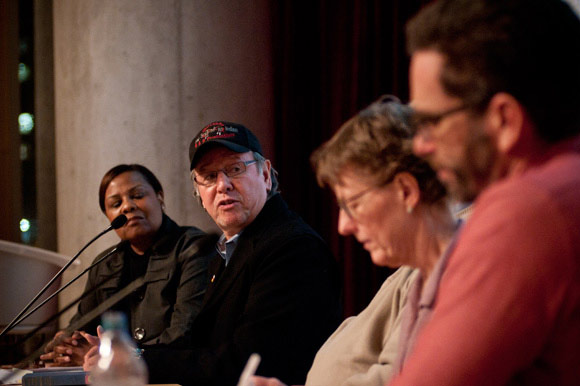
Native American trail, gaudy entertainment district, forge of gay consciousness, showcase of the arts: Minneapolis' Hennepin Avenue has been all of these and more. Recently, historians, urbanists, and the public gathered to explore the avenue's colorful history as part of the city's initiative to shape its future.
Bill Kelley, Jon Spayde Wednesday, February 01, 2012
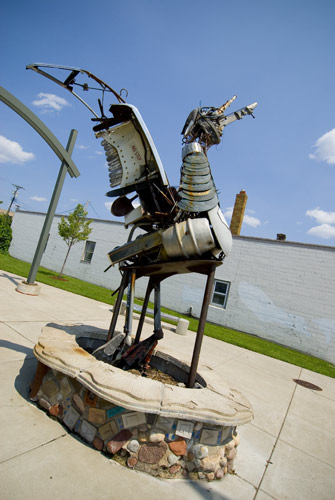
In one magical zone in the Twin Cities, there's a loon made of junk, a chimney covered in shattered glass and ceramic shards, and a place to buy tarantulas. It's called the Central Corridor. Here's a second look at what photographer Bill Kelley and managing editor Jon Spayde picked out last year as they traveled down University Avenue and Washington Avenue, seeking out their favorite offbeat, oddball, one-of-a-kind things.
Dan Heilman Wednesday, February 01, 2012
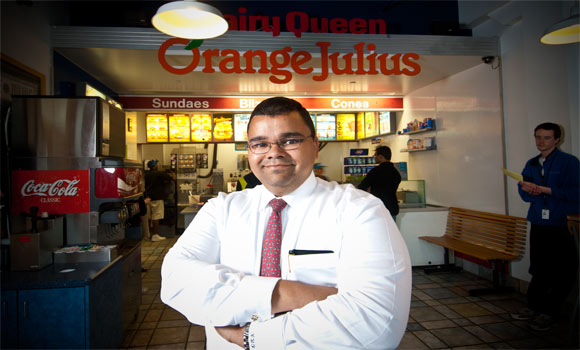
An aggressive, and unconventional, marketing campaign to keep people coming to Central Corridor businesses during light rail construction in 2011 appears to have paid off in less business decline than expected--and a mood of cautious optimism about the future.
Jon Spayde Wednesday, July 20, 2011
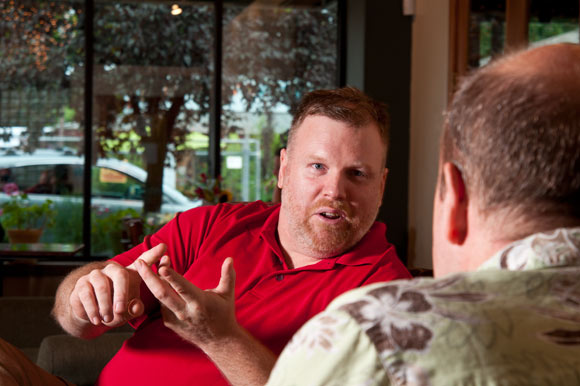
For urban designer Peter Musty, who's collaborating on plans for the Loring neighborhood in Minneapolis and the Ford site in St, Paul, walkable, transit-focused neighborhoods are non-negotiable. We need them for our health and prosperity--and to help our culture calm down.
Jon Spayde Wednesday, May 25, 2011
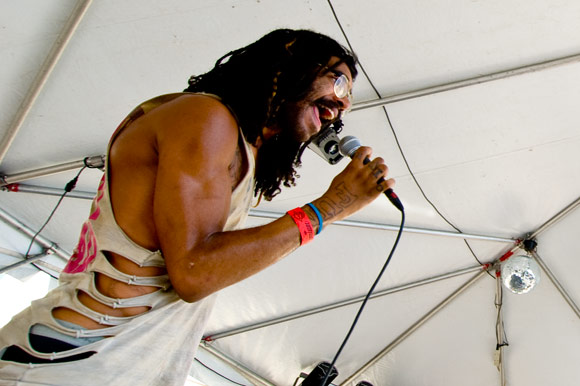
On The Line's first birthday, managing editor Jon Spayde takes a moment to reflect on what he's learned about his adopted hometowns in a year. Like the amazing depth of our talent pool, the spirit behind our entrepreneurial energy, and our shyness about self-promotion.
Michelle Bruch Wednesday, May 18, 2011
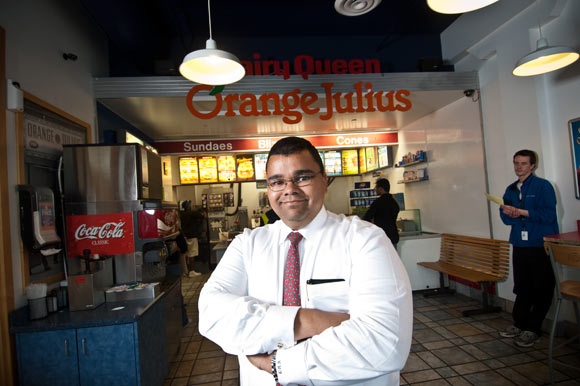
Nobody expected Central Corridor light-rail construction to be easy on the small businesses along the route. But now that the challenges of access and parking are hitting, business owners, the Saint Paul Area Chamber of Commerce and other local organizations are working to keep the Corridor as customer-friendly as possible.
Dan Heilman Wednesday, May 18, 2011
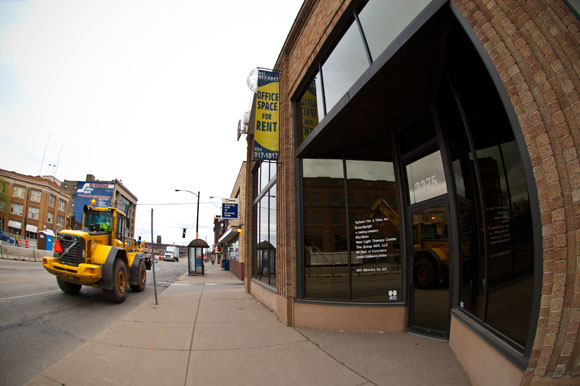
Where Raymond Avenue meets University, artists and innovators have been living and working for decades, lured by cheap rents and a friendly, funky vibe. What will happen to them as light rail comes through, bringing construction disruption now--and an unpredictable development pattern later? The newly formed South Saint Anthony Park Creative Enterprise Zone aims to keep the neighborhood weird--and welcoming.
Jeremy Stratton Wednesday, March 16, 2011
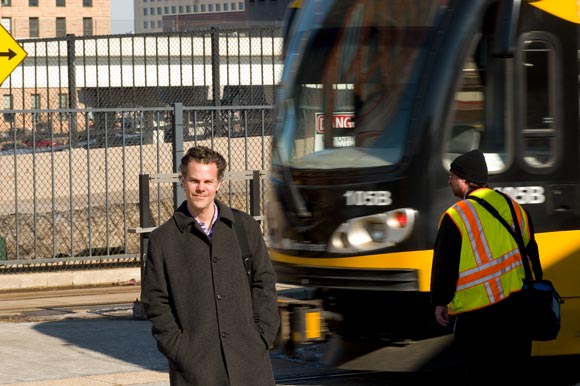
"We need to grow, meaning more people have to live here to support all the good things we all want," says David Frank, Minneapolis' first-ever Director of Transit Development, in a conversation with The Line's Jeremy Stratton. For Frank, who came here from Minneapolis' friendly rival Portland, that means giving people more choices, and that means making wise plans around the places where we've already committed resources, like our light-rail lines. The biggest challenge? Finding the money.
Jon Spayde,Bill Kelley Wednesday, July 21, 2010
In one magical zone in the Twin Cities, there's a loon made of junk, a chimney covered in shattered glass and ceramic shards, a place to buy tarantulas, and a hotel straight out of the Coen brothers. It's called the Central Corridor. The Line's ace managing photographer, Bill Kelley, and its managing editor, Jon Spayde, traveled University Avenue and Washington Avenue, where much of the light rail line will run when it's completed in 2014, seeking out their favorite offbeat, oddball, one-of-a-kind, things, things they hope and trust will be preserved through the construction of the line and the development of the Corridor neighborhoods. Herewith, their top ten.
Chris Steller Wednesday, July 21, 2010
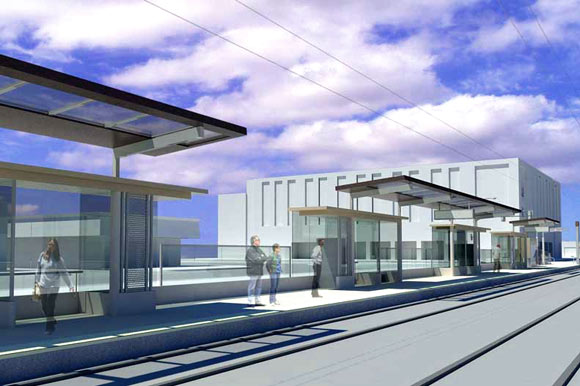
It's four years before a single train is slated to set out on the tracks, but the Central Corridor light rail line between Minneapolis and Saint Paul has already created a powerful network of connections across the Twin Cities. In particular, ad-hoc collaboratives, instead of a single light-rail "czar" or bureaucracy, and Saint Paul's traditionally strong neighborhood political structure, have pushed planning for how the line will impact the city now and in years to come.
Jon Spayde Wednesday, May 26, 2010
What's the special sauce that makes so many bright people who come here stay here--and a lot people who go away, come back? (And what do we need to make that sauce even richer?) Some local creative types weigh in.