Strong Local Economy : Featured Stories
Jay Walljasper Wednesday, October 19, 2011
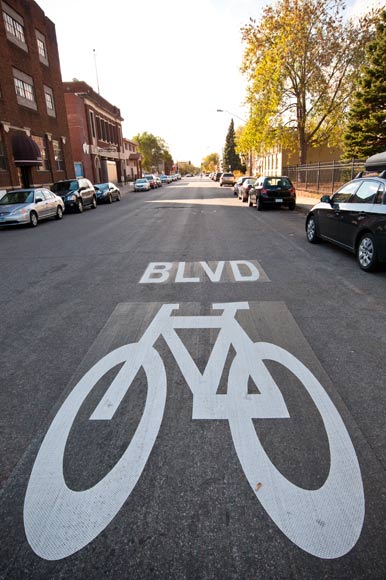
Most of us in the Twin Cities are aware that we've become a great town for bicycling in recent years, but urbanist and author Jay Walljasper--an avid biker for decades--has been digging into the trend to find out the what and the why behind it. In this adaptation of an article he wrote for Bikes Belong, he fills in the story and gives us some impressive facts about the sheer scale and promise of our new two-wheel era.
Streetfilms Wednesday, October 19, 2011
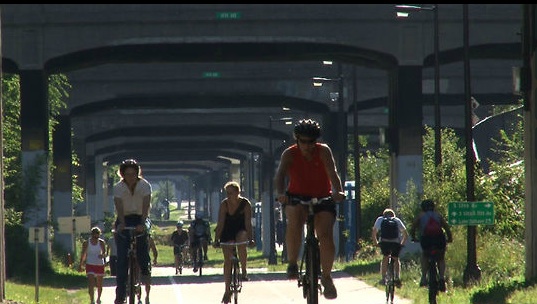
To accompany Jay Walljasper's take on bike policy and bike culture in the Twin Cities, here's a video by Streetfilms that shows just how valuable one of the crown jewels in our bikeway system is--the Midtown Greenway, running more or less parallel to Lake Street from Chowen Avenue to the Mississippi River.
Camille LeFevre Wednesday, September 14, 2011
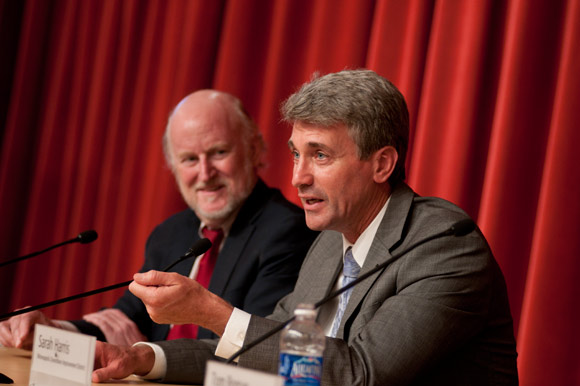
There's always something happening on Hennepin Avenue. The wide, lively downtown Minneapolis boulevard has long specialized in entertainment, from the funky to the family-friendly to the high-cultural. Camille LeFevre reports on the kickoff event of an ambitious project that will transform it. The method? Placemaking, with an accent on the arts.
Jon Spayde Wednesday, July 20, 2011
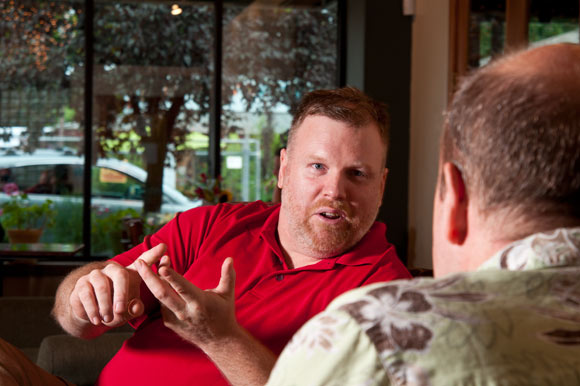
For urban designer Peter Musty, who's collaborating on plans for the Loring neighborhood in Minneapolis and the Ford site in St, Paul, walkable, transit-focused neighborhoods are non-negotiable. We need them for our health and prosperity--and to help our culture calm down.
Susan Klemond Wednesday, June 22, 2011
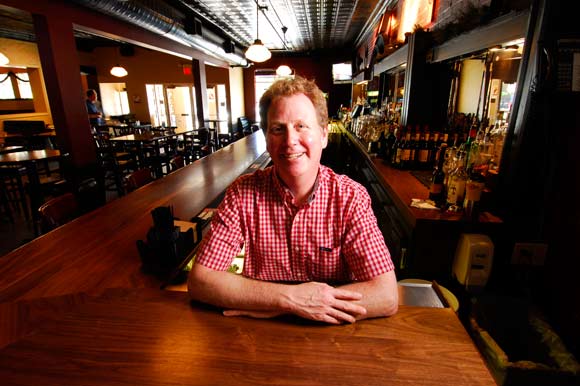
Smith Avenue between the High Bridge and Dodd Road is very Saint Paul: comfortable houses alternate with an eclectic mix of independent businesses with loads of local character. A plan's afoot to turn this under-the-radar neighborhood into a full-fledged retail destination--without letting it lose its soul.
Jon Spayde Wednesday, May 25, 2011
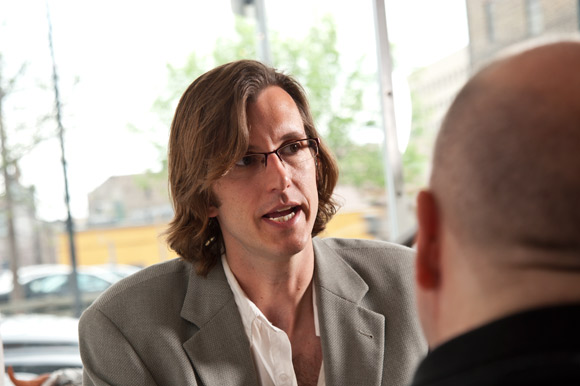
For many observers, our high-tech sector is in crisis. There aren't enough angel investors and we've lost our edge. Dan Grigsby, one of the most successful software entrepreneurs in Minnesota, doesn't buy it. In a conversation with The Line, he explains why we don't need to be Silicon Prairie, create the next Facebook, or even worry about venture capital.
Jon Spayde Wednesday, May 25, 2011
On The Line's first birthday, managing editor Jon Spayde takes a moment to reflect on what he's learned about his adopted hometowns in a year. Like the amazing depth of our talent pool, the spirit behind our entrepreneurial energy, and our shyness about self-promotion.
Michelle Bruch Wednesday, May 18, 2011
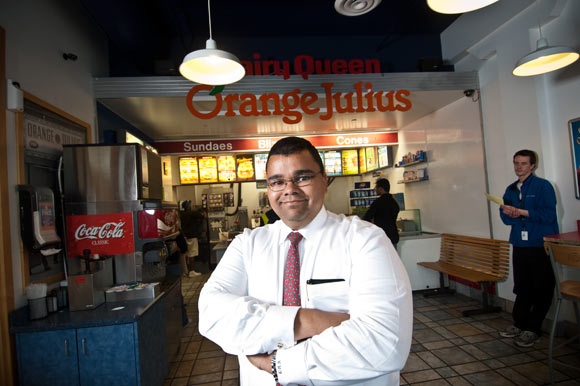
Nobody expected Central Corridor light-rail construction to be easy on the small businesses along the route. But now that the challenges of access and parking are hitting, business owners, the Saint Paul Area Chamber of Commerce and other local organizations are working to keep the Corridor as customer-friendly as possible.
Dan Heilman Wednesday, May 18, 2011
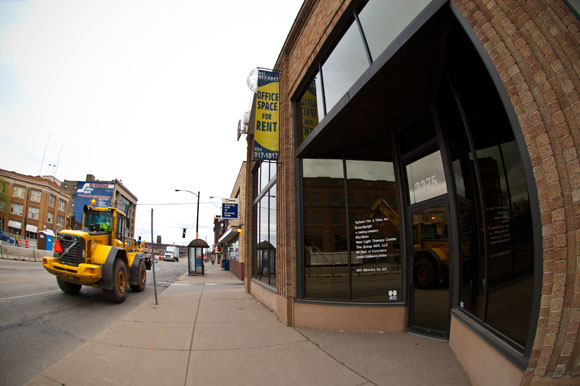
Where Raymond Avenue meets University, artists and innovators have been living and working for decades, lured by cheap rents and a friendly, funky vibe. What will happen to them as light rail comes through, bringing construction disruption now--and an unpredictable development pattern later? The newly formed South Saint Anthony Park Creative Enterprise Zone aims to keep the neighborhood weird--and welcoming.

Jon Spayde Wednesday, May 11, 2011
LOHAS means "Lifestyles of Health and Sustainability"--people concerned with health, the environment, social justice, and personal growth who buy $290 billion worth of goods and services in support of these ideals. The first regional LOHAS conference kicks off tomorrow at the U of M, for merchants, marketers, and others who want to reach these consumers.
Lori Storm Wednesday, May 04, 2011
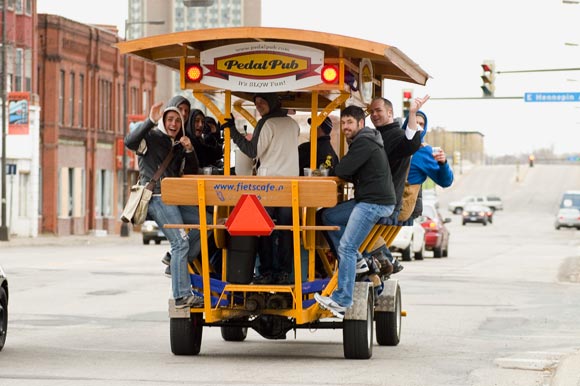
Al Boyce and Eric Olson's fleet of human-powered saloons are wheeling their way through the Twin Cities again as the weather warms up. And their business is hot too, with booming local bookings and a Chicago branch launched.
Bill Kelley Wednesday, April 20, 2011
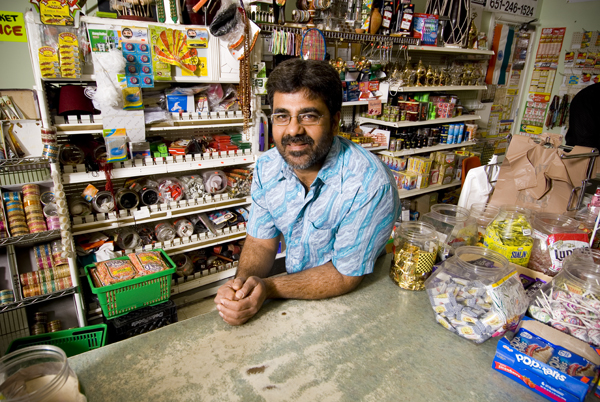
The stretch of Minneapolis' Central Avenue Northeast that runs from around 18th Avenue to a little past Lowry is a colorful collage of immigrant businesses: Hispanic, Arab, Afghan, Indian, Southeast Asian. Bill Kelley's images capture a neighborhood that feels both faraway and very close to home.
Jeremy Stratton Wednesday, March 16, 2011
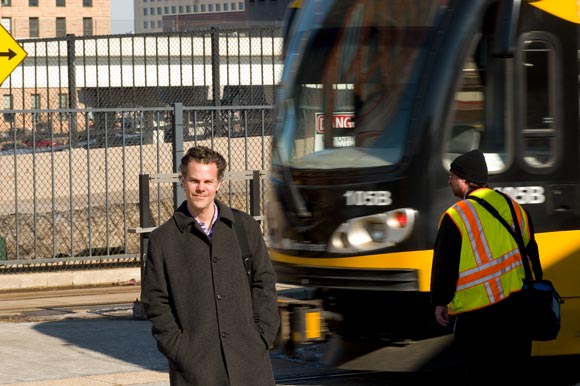
"We need to grow, meaning more people have to live here to support all the good things we all want," says David Frank, Minneapolis' first-ever Director of Transit Development, in a conversation with The Line's Jeremy Stratton. For Frank, who came here from Minneapolis' friendly rival Portland, that means giving people more choices, and that means making wise plans around the places where we've already committed resources, like our light-rail lines. The biggest challenge? Finding the money.
Dan Heilman Wednesday, January 19, 2011
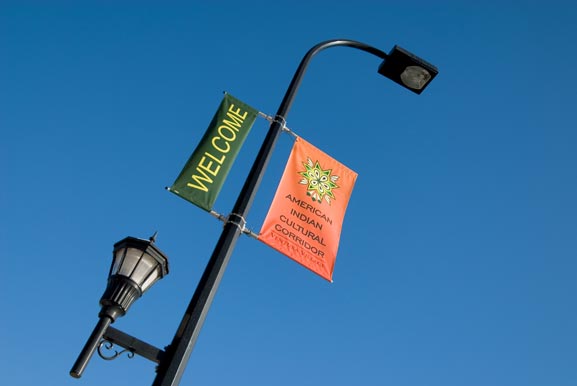
Franklin Avenue east of Hiawatha in Minneapolis used to be best known for bars and blight. Today, though, the area is blooming with Native enterprise as an American Indian Cultural Corridor takes shape. Culture and art are major drivers of the neighborhood's renaissance--an art gallery is one of the anchors, and there are new tribal and company offices and apartments too--and plans call for a brand-new mixed-use building and a Native-owned hotel. The biggest change, though, is a new sense of cohesion and pride at street level.

Jon Spayde Wednesday, January 12, 2011
The commons is a concept that you may be hearing a lot more about in the coming months and years. According to urbanist and journalist Jay Walljasper, who's just published a new book on the subject, the commons is everything we share--from public parks to ideas, urban gathering spaces to the internet, jokes and games to the oceans. And "commons-based solutions" to our political and social problems look past the I-me-mine of the privatized perspective toward the common good, in everything from small neighborhood improvements to social policy. Walljasper sees commons-based thinking as a way past many of our current left-right dilemmas--and he thinks the Twin Cities have a head start in that direction.